
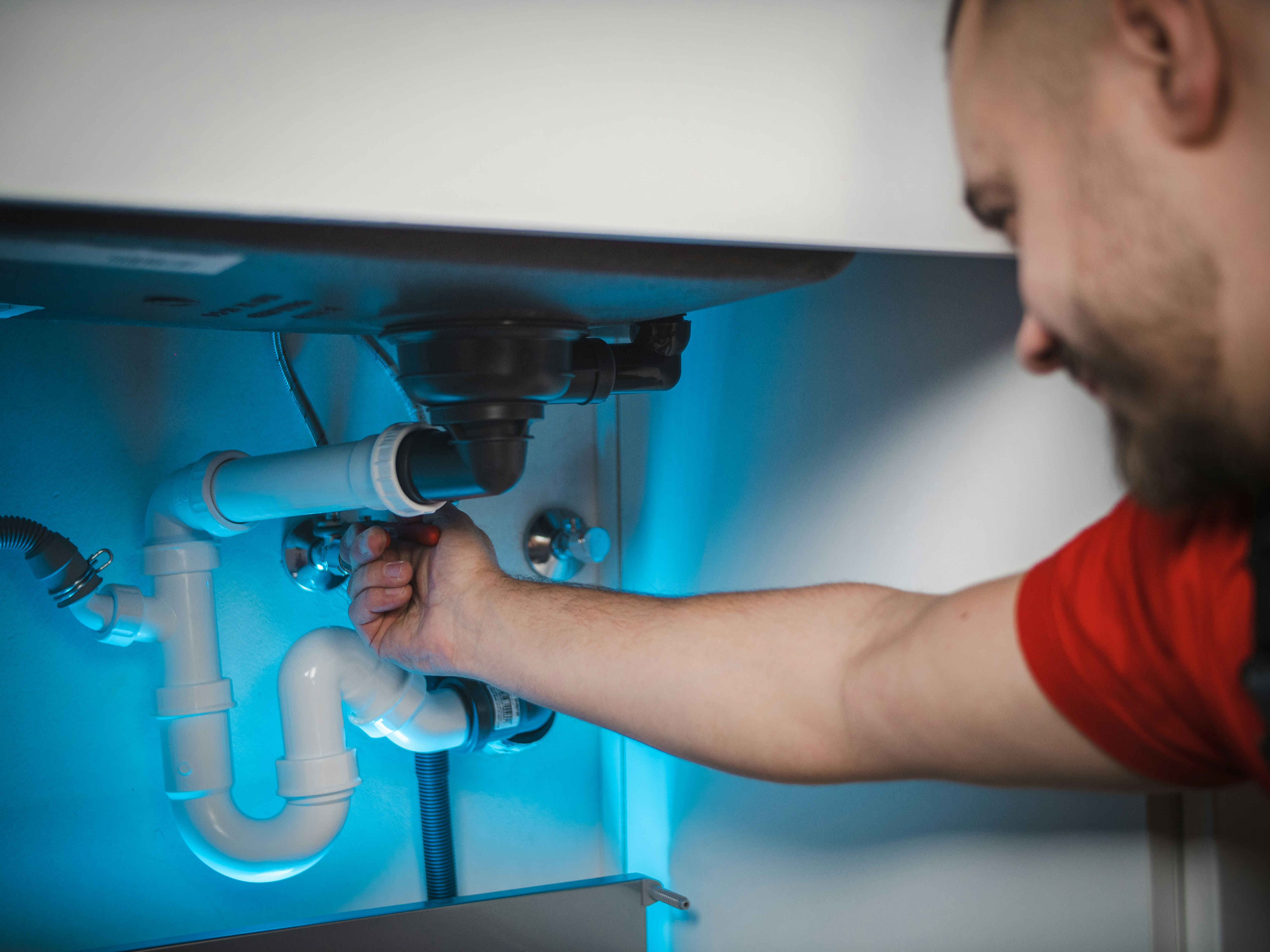
Understanding the Difference: Licensed Plumbers vs. Handymen
The choice between hiring a licensed plumber and a handyman often hinges on the specific requirements of a plumbing task and the expertise available. Licensed plumbers have undergone extensive training and possess certifications that validate their ability to handle complex plumbing systems, including installation, repair, and maintenance of pipes, fixtures, and appliances. They are well-versed in local building codes, ensuring that any plumbing work conforms to legal requirements and safety standards.
One of the fundamental differences lies in the rigorous educational pathways that licensed plumbers typically undertake. To become licensed, they generally must complete a formal apprenticeship program, which can last several years, followed by passing a comprehensive examination. This process equips them with the necessary theoretical knowledge and practical skills needed to tackle a wide range of plumbing issues. Furthermore, licensed plumbers often engage in continuing education to stay current with the latest industry practices and technological advancements.
Conversely, handymen typically do not have formal training in plumbing. While many handymen possess a broad skill set and can perform minor plumbing repairs, their lack of specialized education can pose risks for more complex tasks. Handymen may not fully understand the nuances of plumbing systems, which can lead to improper installations or repairs. Moreover, the absence of a license means they may lack the authority to perform certain plumbing tasks legally. This distinction becomes crucial when addressing significant plumbing issues that require expertise to avoid further complications down the line.
In summary, understanding the difference between licensed plumbers and handymen is essential when determining the best professional to handle your plumbing needs. Choosing a licensed plumber ensures that you are hiring someone with proven qualifications and adherence to industry standards, ultimately leading to more reliable and effective plumbing solutions.
The Risks of DIY Plumbing and Hiring Handymen
Engaging in DIY plumbing without adequate knowledge or experience poses numerous risks that can impact both the safety and functionality of a home. Many individuals attempt to resolve plumbing issues on their own, often underestimating the complexity involved. Plumbing systems are intricate, designed with precise specifications that are critical for optimal performance. Without a sound understanding of these systems, DIY repairs can lead to substandard work, potentially resulting in further complications down the line.
One of the main pitfalls of DIY plumbing is the likelihood of misdiagnosing the problem. A homeowner may perceive a minor leak as a simple fix, only to realize later that the underlying issue is much more serious, such as a deteriorating pipe or a major blockage. This miscalculation can lead to extensive water damage and mold growth, which not only affects the structural integrity of the home but can also pose health risks to the residents.
Hiring a handyman, while often seen as a more affordable alternative to a licensed plumber, can also come with significant drawbacks. Many handymen lack the specialized training and licensure required to perform plumbing work safely and effectively. This lack of expertise can result in improper installation or repair, leading to hidden dangers such as gas leaks or water supply contamination. Moreover, hiring an unlicensed worker may void warranties on plumbing fixtures or insurance claims in the event of damages.
Costly mistakes are another major concern. A seemingly straightforward plumbing project could escalate into an expensive repair if not done correctly from the outset. Issues such as incorrect fittings can cause backflow problems, leading to extensive plumbing repairs that necessitate professional intervention. It is essential to recognize that while hiring a licensed plumber may have an upfront cost, it can save homeowners from the potential financial burden associated with inadequate plumbing work.
Cost Considerations: Value of Professional Plumbing Services
The decision to hire a licensed plumber versus a handyman often hinges on financial factors, including initial expenses and potential long-term savings. At first glance, the hourly rates charged by handymen might appear more budget-friendly compared to those of licensed plumbers, who typically command higher fees. However, the initial costs can be misleading when weighing the long-term value of professional plumbing services.
Licensed plumbers bring a level of expertise and training that handymen generally lack. This expertise ensures that plumbing issues are resolved correctly the first time, which can prevent the proverbial “quick fix” that often leads to recurring problems. By investing in a qualified professional from the outset, homeowners can save themselves from future costs associated with poor workmanship, which can result in expensive repairs or replacements down the line.
Moreover, licensed plumbers not only provide skilled labor but also guarantee their work. Many professional plumbing services offer warranties that protect homeowners against defects in materials or workmanship. This assurance can translate into significant savings, as property owners will not have to bear the financial burden of repairs caused by inadequate service. In contrast, handymen may not offer such guarantees, leaving homeowners vulnerable to ongoing expenses that could have been avoided through skilled plumbing services.
Furthermore, licensed plumbers are often well-versed in the regulations and codes required for safe and legal plumbing practices. This knowledge can represent a valuable asset to homeowners. By ensuring compliance with local plumbing codes, licensed plumbers help avoid fines and legal complications that could arise from improper installations or repairs carried out by unqualified workers.
Ultimately, while the upfront costs of hiring a licensed plumber may be higher, the potential savings and peace of mind gained from quality service often outweigh the initial expenditure. Choosing a licensed plumber is an investment in the longevity and reliability of one’s plumbing system.
When to Hire a Licensed Plumber: Key Scenarios and Recommendations
Choosing between a licensed plumber and a handyman can significantly impact your home’s plumbing integrity. It is essential to recognize specific scenarios where hiring a licensed plumber is not only advisable but critical for the safety, quality, and regulation compliance of your plumbing system.
One clear instance for hiring a licensed plumber is during major plumbing installations, such as new bathroom or kitchen fittings, sewer line replacements, or water heater installations. These projects often require a deep understanding of plumbing systems and local building codes. Licensed plumbers are trained to ensure that installations meet all regulatory standards, thus safeguarding your home from future issues.
Another scenario that warrants the expertise of a licensed plumber is when compliance with local regulations is required. Most municipalities have stringent codes governing plumbing work, and a licensed plumber will be well-versed in these regulations, preventing any potential legal ramifications or costly fines.
Emergency repairs also highlight the importance of involving a licensed plumber. Issues such as severe leaks, burst pipes, or sewage backups can lead to unsanitary conditions and property damage if not handled promptly and correctly. A licensed plumber can provide immediate and effective solutions to these critical situations, ensuring that health and safety standards are maintained.
Moreover, for complex plumbing issues that might involve intricate systems, such as those found in older homes, hiring a licensed plumber is highly recommended. They possess the necessary training to diagnose and resolve underlying problems that a handyman may overlook. In these situations, the risk of exacerbating the issue through inadequate repairs is significantly reduced when a qualified professional is involved.
In conclusion, understanding when to hire a licensed plumber is key to maintaining a safe and effective plumbing system. Homeowners should prioritize these professionals in major installations, compliance needs, emergencies, and complex repairs to ensure the longevity and reliability of their plumbing systems.